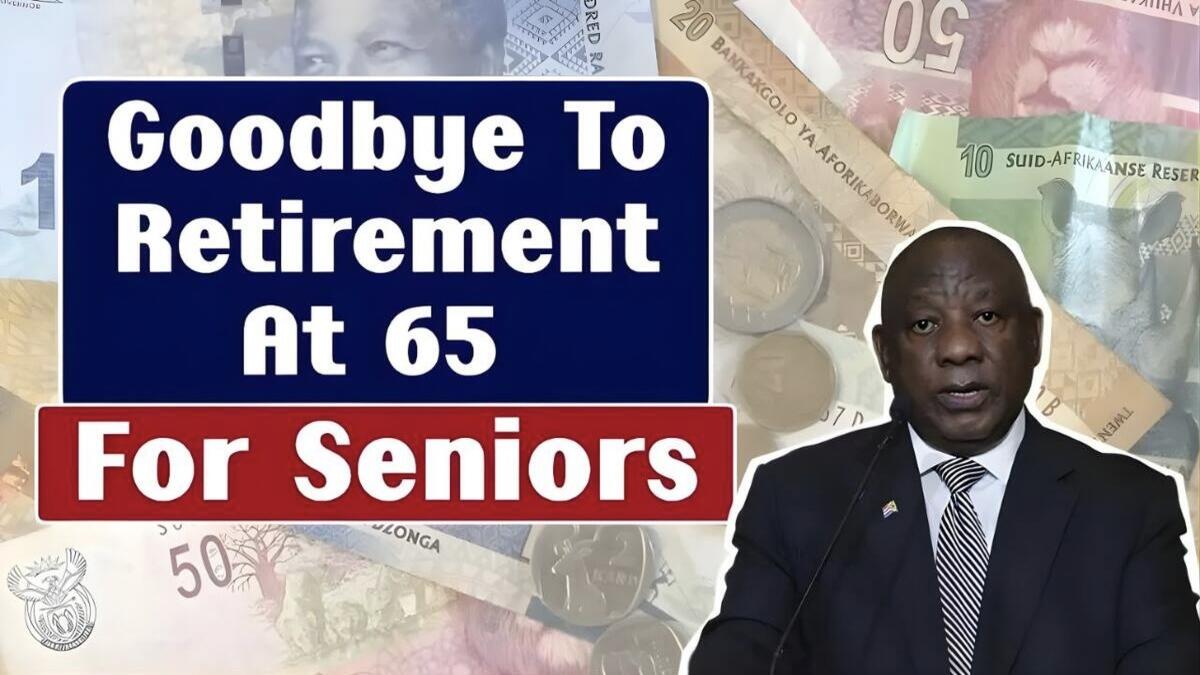
South Africa is now embroiled in a discussion on the likelihood of changing its retirement age in the year 2026, a move with the potential to effect millions of workers and pensioners yet unborn. With the improvement of life expectancy levels and economic pressures caused by the lack of sustainability in most pension systems in South Africa, the government is looking at reforms that will try to find a balance between public specialized attention and the pool of senior citizens. While there has been no official pronouncement on the subject, the interest and discussants’ concerns about this issue generally have plunged this very subject into the heart of the public imagination.
Causes of the Retirement Age Debate
One of the main reasons behind the proposal to change the retirement age is the great strain now being placed on the retirement and social security systems of South Africa. As incomes are lost through pension payments and grants since people live longer, state expenditure increases. And with the situation of relatively fewer taxpayers and contributors paying in money during their economically productive years.
Economic headwinds, including issues of slow growth and possible high unemployment, have further heated up one side of the debate. However, policymakers believe that adjusting the retirement age could potentially help in the retention of experienced workers in the labor market for a longer time, enhance productivity, and relieve fiscal pressure.
Potential Consideration Retirement Age Scenarios in 2026
Whilst nothing is settled about the detail till now, the discussions that have taken place have leaned towards the idea of more gradual changes to the retirement age than any sudden adjustments. This approach is seen as being more beneficial to workers approaching retirement, would grant them better planning security, and reduce any financial shocks. Moreover, these changes would be required to comply with terms and conditions of labor laws, individual employment contracts, and statues set out in pension fund rules.
Furthermore, it is indicated by policymakers that various protections would need to be given to vulnerable populations, in particular, low-income earner, and the ones in jobs that are physically demanding. Any relevant exemptions or flexible retirement options are envisaged to form part of the final framework.
Principal Conclusions for Seniors
For the seniors and the pre-retirees, changes in retirement age would have both their advantages and disadvantages. On the positive side, would extend one’s savings for a pension, possibly ensuring a bigger benefit and greater financial well-being. At the same time, employment gives rise to mental and social well-being.
Concurrently, in the event of unemployment, the health of those might be put at stake that do not get to go further in employment—such as in elderly-people-oriented workforces. If older persons wish to work instead, inequality and inadequate income security will remain concerning. Hence, a retirement age must be properly designed, sort of a chatram to provide basic safeguards and thereby plug the holes.
Pensions and Social Grants
Pension payouts and the criteria for eligibility are directly affected by every change in retirement age introduced. Apart from job opportunities in the public sector, the existing Old Age Grant is secured for the warped. The South African government maintains that the impacts have been low, with no implication that payments of grants could be compromised.
Senior citizens should check their pension plans, get a financial review, and update themselves with the latest policy developments, especially with the Pension and Healthcare Act 2006 coming up.